What is Orthodoxy?
A guided library of evergreen Orthodox explainers — the Trinity, the Incarnation, theosis, the sacraments — written plainly, then deepened with practical next steps for prayer, study, and life in the Church.
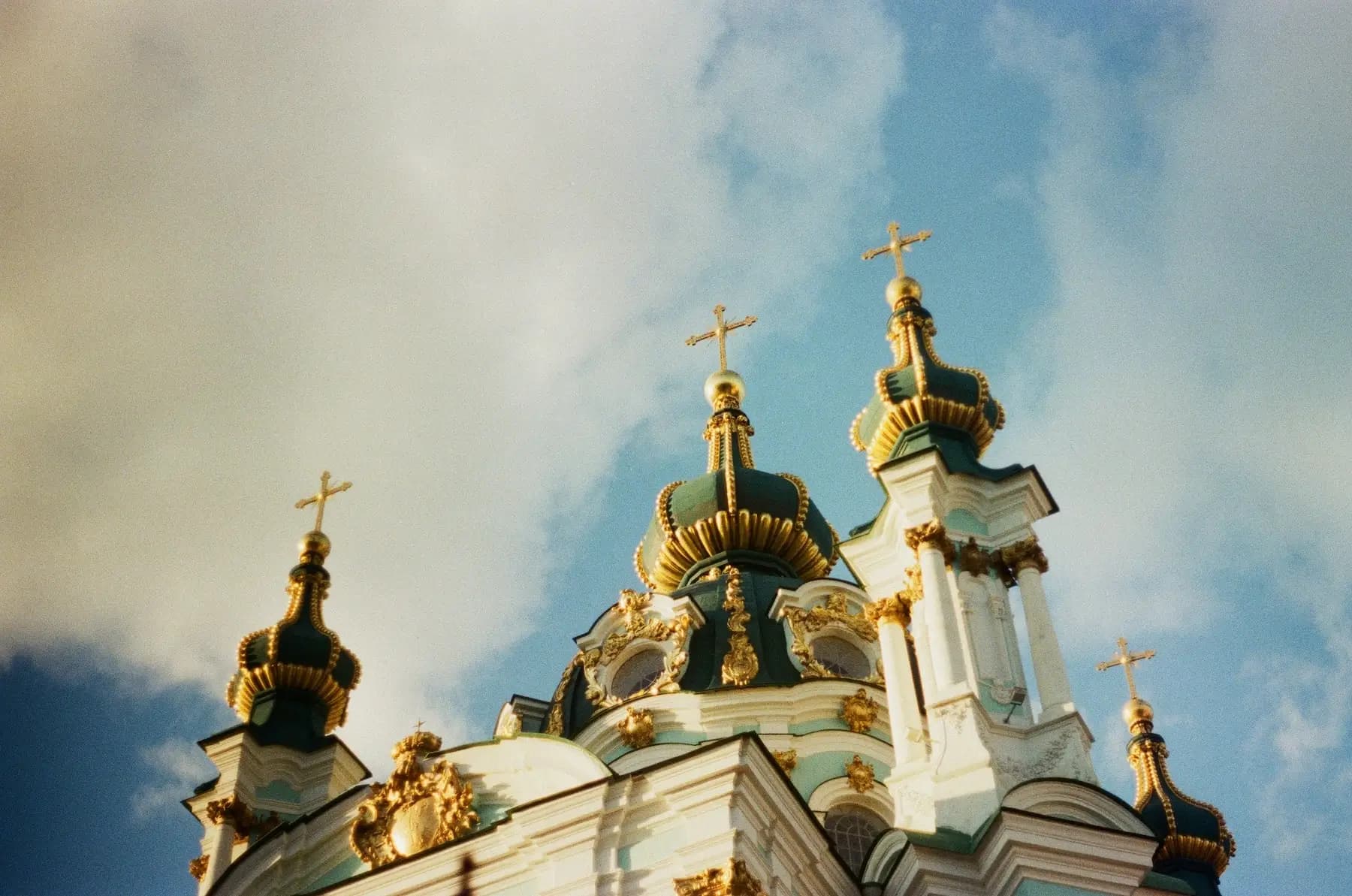
Three doors into the same mystery.
If you're new — start with these. The Trinity, the Incarnation, the Theotokos. Everything else flows out from them.
What is the Holy Trinity?
Explore how the Trinity shapes Orthodox worship, prayer, and the very life of the Church, revealing God as communion.
Read the explainerWhat is the Incarnation?
Discover why Christ's birth, life, death, and resurrection reveal God's humility and make our transformation possible.
Read the explainerWho is the Theotokos?
Learn why the Church honors the Theotokos, how her yes safeguards the truth of the Incarnation, and how she intercedes for the faithful.
Read the explainerThe Church is a workshop, not a museum.
Doctrine isn't an end. It's the shape of the life Christ wants to give us — Trinitarian, sacramental, transformative.
The Church is not a museum of ideas, but a workshop for the transformation of souls.Orthodox traditionOn the purpose of doctrine
Every doctrine explainer.
Browse the rest of the library — sacraments, salvation, the Holy Spirit, theosis. Each one short, each one substantive.
What are the Sacraments?
See how Baptism, Chrismation, the Eucharist, Confession, Marriage, Ordination, and Unction unite us to Christ and His Body.
Deepen your studyWhat is Salvation in Orthodoxy?
Move beyond a one-time event to see salvation as the lifelong journey of theosis: becoming by grace what Christ is by nature.
Deepen your studyWhat is Orthodox Fasting?
Orthodox fasting is a voluntary abstinence from certain foods and activities, practiced as a spiritual discipline to subdue the passions and draw closer to God. The Orthodox Church observes extensive fasting periods throughout the year, including Great Lent, the Apostles' Fast, the Dormition Fast, and the Nativity Fast.
Deepen your studyWhat are Holy Icons?
Holy icons are sacred images of Christ, the Theotokos, the saints, and events from Scripture and Church history. In Orthodox theology, icons are not mere art but a confession of the Incarnation — they proclaim that God became visible in the flesh.
Deepen your studyWhat is Theosis?
Theosis (deification) is the Orthodox Christian understanding of salvation — the process by which a human person participates in the divine nature and is united with God. St. Athanasius expressed it: 'God became man so that man might become god.'
Deepen your studyWhat is Holy Tradition?
Holy Tradition is the totality of the Church's life in the Holy Spirit — the Scriptures, the Ecumenical Councils, the writings of the Fathers, the liturgical worship, the canons, and the icons. It is not merely past custom but the ongoing presence of the Holy Spirit guiding the Church into all truth.
Deepen your studyWhat is the Jesus Prayer?
The Jesus Prayer is a short, ancient prayer central to Orthodox spirituality: 'Lord Jesus Christ, Son of God, have mercy on me, a sinner.' It is rooted in the hesychast tradition and practiced as a means of unceasing prayer in the spirit of 1 Thessalonians 5:17.
Deepen your studyWho are the Saints?
Saints are those whom the Church has recognized as having attained theosis — union with God — and whose intercessions are powerful before the throne of God. They are not distant figures from the past but living members of the Body of Christ.
Deepen your studyWhat is Orthodox Monasticism?
Orthodox monasticism is the way of life in which men and women leave the world to devote themselves entirely to God through prayer, fasting, and ascetic struggle. Monastics are considered the vanguard of the Church, interceding for the whole world.
Deepen your studyWhat is the Divine Liturgy?
The Divine Liturgy is the Eucharistic service of the Orthodox Church — the central act of Christian worship in which bread and wine are consecrated and become the Body and Blood of Christ. It is not merely a memorial but a participation in the eternal sacrifice of Christ.
Deepen your studyWhat is Holy Confession?
Holy Confession (Penance) is the sacrament by which the faithful confess their sins to God in the presence of a priest, receive absolution, and are restored to full communion with the Church. It is a sacrament of healing, not merely a legal transaction.
Deepen your studyWhat is Chrismation?
Chrismation is the Orthodox sacrament in which a newly baptized Christian is anointed with Holy Chrism (consecrated oil) and receives the gift of the Holy Spirit. It corresponds to Confirmation in Western Christianity and is administered immediately after Baptism.
Deepen your studyRead the Creed unpacked.
Doctrine explainers are a doorway. The Nicene Creed — the heartbeat of the Liturgy — gathers them all in twelve articles.